Compare carbon fiber and Kevlar for performance and cost. Learn optimal applications, technical specs, and sourcing tips for composites.
Carbon Fiber vs Kevlar: Ensuring Quality and Compliance
The choice between carbon fiber and Kevlar is crucial for engineers and procurement specialists dealing with composite materials. As the carbon fiber market is projected to reach USD 10.66 billion by 2025, understanding the quality and compliance aspects of these materials is essential. This guide delves into the quality control, testing, and compliance requirements that define the usage of carbon fiber and Kevlar in various industries. Impact Materials, with its extensive 20-year experience, provides insights into making well-informed material selections.
Key Considerations
- Carbon fiber’s tensile strength can reach up to 6,000 MPa, making it ideal for aerospace components.
- Kevlar’s superior impact resistance is crucial for protective gear applications.
- Hybrid materials blend carbon’s strength with Kevlar’s flexibility for diverse applications.
- Choose suppliers with ISO 9001 certification for assured quality and adherence to international standards.
Assessing Material Properties
Carbon Fiber: Superior Strength
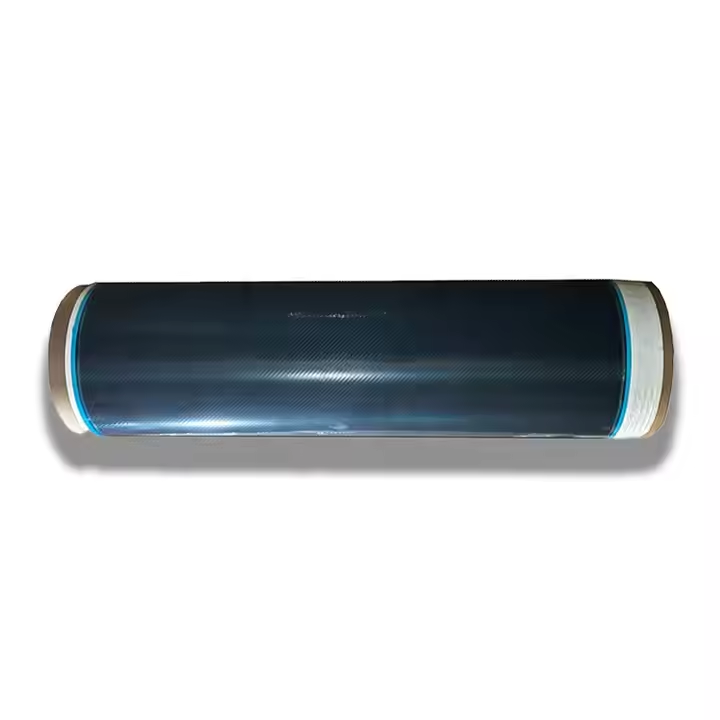
Renowned for its impressive tensile strength, carbon fiber is often utilized in aerospace and automotive sectors. With a density of about 1.6 g/cm³, its strength-to-weight ratio is pivotal, especially in crafts like 3K Twill Carbon Fiber Fabric Epoxy Resin Prepreg. For aerospace structures, carbon fiber is typically chosen for components like fuselage and wing skins because of its rigidity and lightweight nature.
Kevlar: Exceptional Impact Resistance
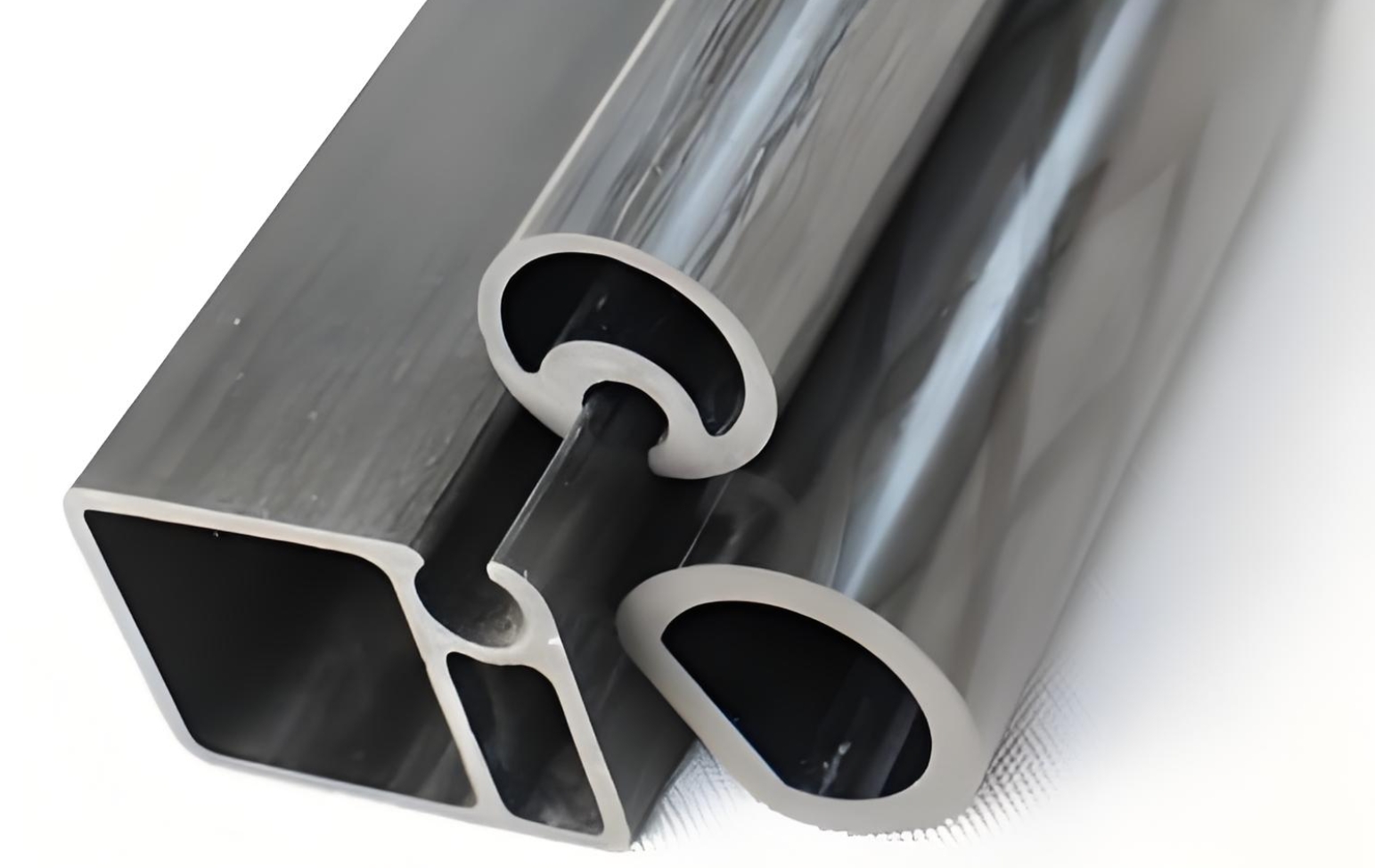
As an aramid fiber, Kevlar is known for its high impact resistance, which makes it ideal for ballistic protection and safety gear. With tensile strengths around 3,620 MPa, Kevlar is widely used where flexibility is essential without sacrificing strength. Its elongation at break of approximately 4.4% provides the necessary pliability for products like Special Section Pultruded Carbon Fiber Rod.
Hybrid Fabrics: Balancing Characteristics
Combining carbon fiber and Kevlar, hybrid fabrics offer an advantageous mix of rigidity and flexibility. These are particularly useful in creating automotive panels and sports equipment. When selecting such composites, it’s important to evaluate application-specific needs, including load requirements and environmental factors.
Applications Across Industries
Aerospace Innovations
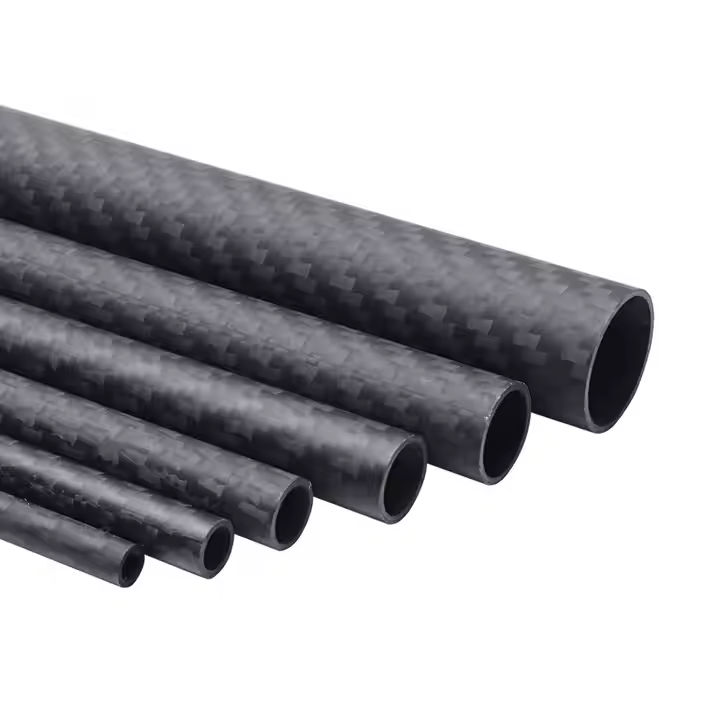
Carbon fiber plays a crucial role in aerospace, being utilized for high-stiffness and lightweight structural components. Products like the Customized Round CFRP Carbon Fiber Tube exemplify its application in constructing robust yet lightweight structures.
Automotive Advancements
Both carbon fiber and Kevlar serve important roles in the automotive industry. Carbon fiber enhances fuel efficiency and performance through its high strength-to-weight ratio, while Kevlar provides critical impact resistance for safety features. Engineers often employ carbon Kevlar composites to achieve optimal performance and safety.
Ballistics and Protective Equipment
Thanks to its high impact resistance, Kevlar is favored in creating protective gear. Testing such as ASTM D3039 confirms Kevlar’s reliability under stress, making it suitable for bulletproof vests and helmets. For projects requiring both protection and maneuverability, aramid fiber composites present an ideal solution.
Highlighted Carbon Fiber Vs Kevlar Products
Examine our top-rated carbon fiber vs kevlar materials, trusted by manufacturers globally. Explore these offerings from Impact Materials.
Technical Specifications and Quality Assurance
Comparing Material Properties
| Property | Carbon Fiber | Kevlar |
|---|---|---|
| Tensile Strength (MPa) | 3,500 – 6,000 | 2,620 – 3,620 |
| Density (g/cm³) | 1.6 | 1.44 |
| Elongation at Break (%) | 1.5 – 2.0 | 4.4 |
| Temperature Resistance (°C) | Up to 200 | Up to 160 |
Compliance and Certification Standards
To ensure material quality, sourcing must adhere to international standards such as ISO and ASTM. Verification processes should include thorough quality inspections and supplier audits. Using certified suppliers is crucial for industries like aerospace and medical, where compliance is non-negotiable. For detailed specifications and sourcing options, refer to this comprehensive guide on buy carbon fiber vs kevlar for more technical context.
To explore more about carbon fiber vs kevlar from China, consider reputable suppliers who can provide documentation and certifications as proof of compliance. This is especially important for regulated sectors where material traceability is vital.
In summary, understanding the compliance and quality assurance standards is essential when considering carbon fiber and Kevlar for your projects. To explore potential applications and solutions, visit Impact Materials for carbon fiber vs kevlar solutions.